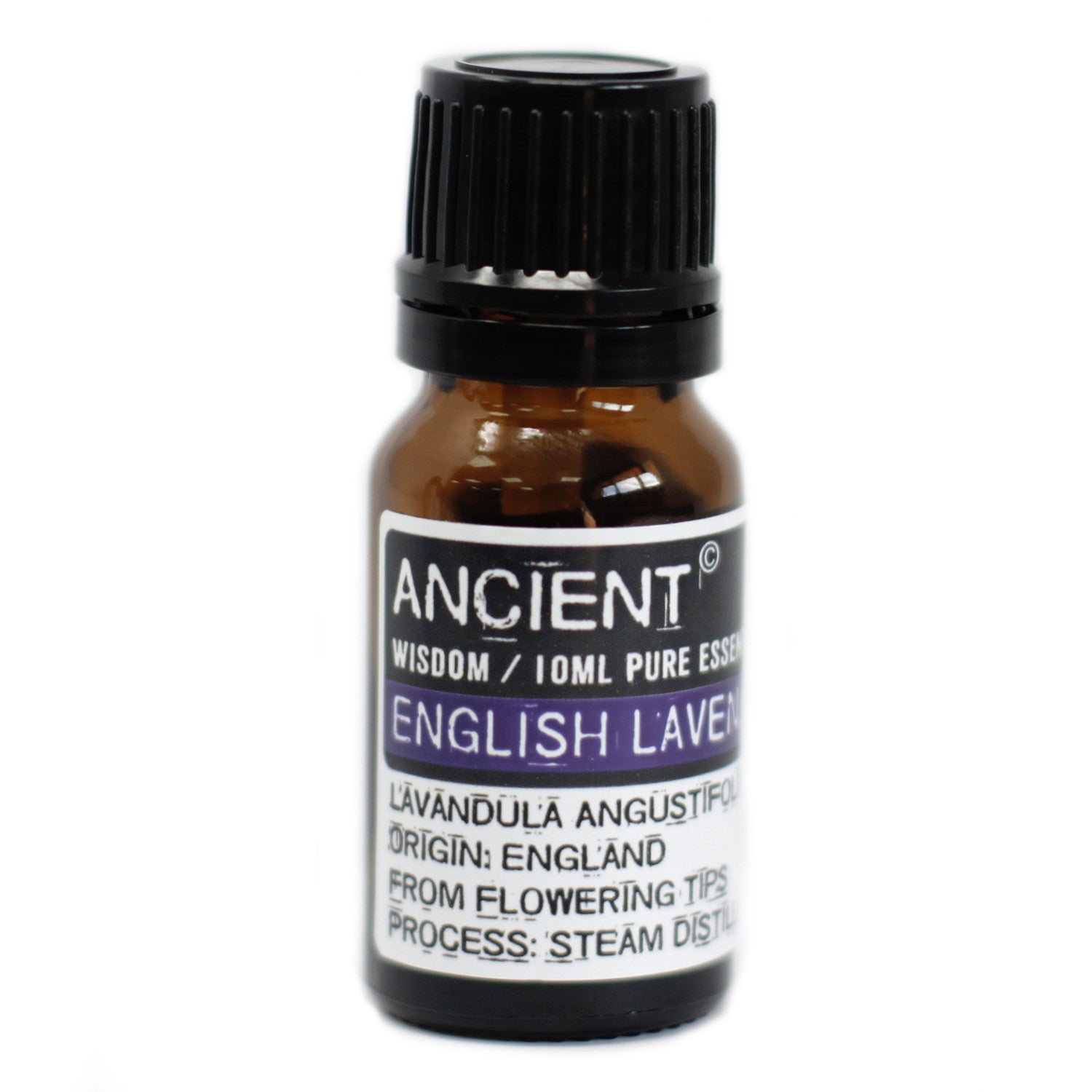
English Lavender Essential Oil (Lavandula angustifolia) is loved for its soft, floral-herbal character and its ability to help create a calm, restful atmosphere. This guide covers its aroma notes, traditional aromatic uses, simple blend ideas, and practical safety so you can get the most from this classic oil at home.
Quick Facts
- Latin name: Lavandula angustifolia
- Plant part: Flowering tops
- Extraction: Steam distillation
- Aroma: fresh, floral, lightly herbaceous
- Strength: gentle to medium-soft
Aroma Profile
- Top: bright, clean lavender
- Heart: soft floral with a light sweetness
- Overall: reassuring, calming, quietly uplifting
- Pairs well with: Cedarwood, Bergamot, Frankincense, Sweet Orange
Origins & Sourcing
English Lavender is cultivated in temperate climates and carefully steam distilled to preserve its delicate aromatic compounds. Growing conditions (sun, altitude, and soil) shape the oil’s balance of fresh-green and softly floral notes. Well-made batches offer a clean profile that sits gently in the room without becoming heavy.
How to Use (Ambience)
- Evening unwind: 4-6 drops in a diffuser to soften the day and set a restful tone
- Bedroom calm: 2-3 drops on a cotton pad placed nearby (out of reach of children and pets)
- Reading nook: a subtle background scent to encourage quiet focus
- Gentle blend: Lavender + Cedarwood for a warm, cocooning mood
These suggestions reflect traditional aromatic practice. They are not medical claims.
Blends You Might Like
- Cosy Evening: Lavender 3 + Cedarwood 2
- Bright Calm: Lavender 2 + Bergamot 2 + Sweet Orange 1
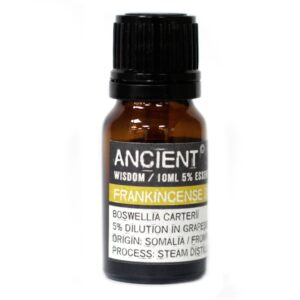
- Quiet Focus: Lavender 2 + Frankincense 2
Safety & Dilution
For aromatic use. If making your own topical blends, keep total essential oil content at 1-2% (about 6-12 drops per 30ml carrier). Avoid eyes and sensitive areas. Keep away from children and pets. If pregnant, nursing, or under medical care, consult a qualified professional before use. Discontinue use if irritation occurs.
Shop English Lavender Essential Oil ->

- Solid Shampoo vs Liquid Shampoo: Which Is Better for Your Hair and the Environment?
 Switch to a more sustainable hair care routine with our premium solid shampoo bars , designed to cleanse, nourish, and protect your hair—without the waste of tr… Our solid shampoos are carefully crafted using… Read more: Solid Shampoo vs Liquid Shampoo: Which Is Better for Your Hair and the Environment?
 - Basil Essential Oil: The Clarifying Oil for Focus, Fatigue, and Muscle Relief
 Basil essential oil is one of the most underrated oils in aromatherapy. While it is universally recognised as a culinary herb, its essential oil has a distinct … Basil essential oil is steam-distilled from… Read more: Basil Essential Oil: The Clarifying Oil for Focus, Fatigue, and Muscle Relief
 - Lavender Essential Oil: The Complete Guide
 Lavender is where most people begin their aromatherapy journey — and for good reason. It is the most researched, most versatile, and most widely used essential … Lavender essential oil is steam-distilled from the… Read more: Lavender Essential Oil: The Complete Guide
 - Fennel Essential Oil: The Digestive Oil for Bloating, Hormones, and Detox
 Fennel has been used medicinally for thousands of years — by the ancient Egyptians, Greeks, Romans, and Chinese — primarily for its remarkable digestive propert… Fennel essential oil is steam-distilled from the crushed seeds… Read more: Fennel Essential Oil: The Digestive Oil for Bloating, Hormones, and Detox
 - Patchouli Essential Oil: The Earthy Oil for Grounding, Skin, and Sensuality
 Few essential oils provoke as strong a reaction as patchouli. Its deep, earthy, slightly sweet scent is immediately recognisable — and deeply divisive. Those wh… Patchouli essential oil is steam-distilled from the dried, fermented… Read more: Patchouli Essential Oil: The Earthy Oil for Grounding, Skin, and Sensuality
 - Peppermint Essential Oil: Energise, Focus, and Refresh
 If lavender is the oil of calm, peppermint is the oil of clarity. Sharp, cool, and instantly recognisable, peppermint essential oil is one of the most effective… Peppermint essential oil is steam-distilled from the… Read more: Peppermint Essential Oil: Energise, Focus, and Refresh