
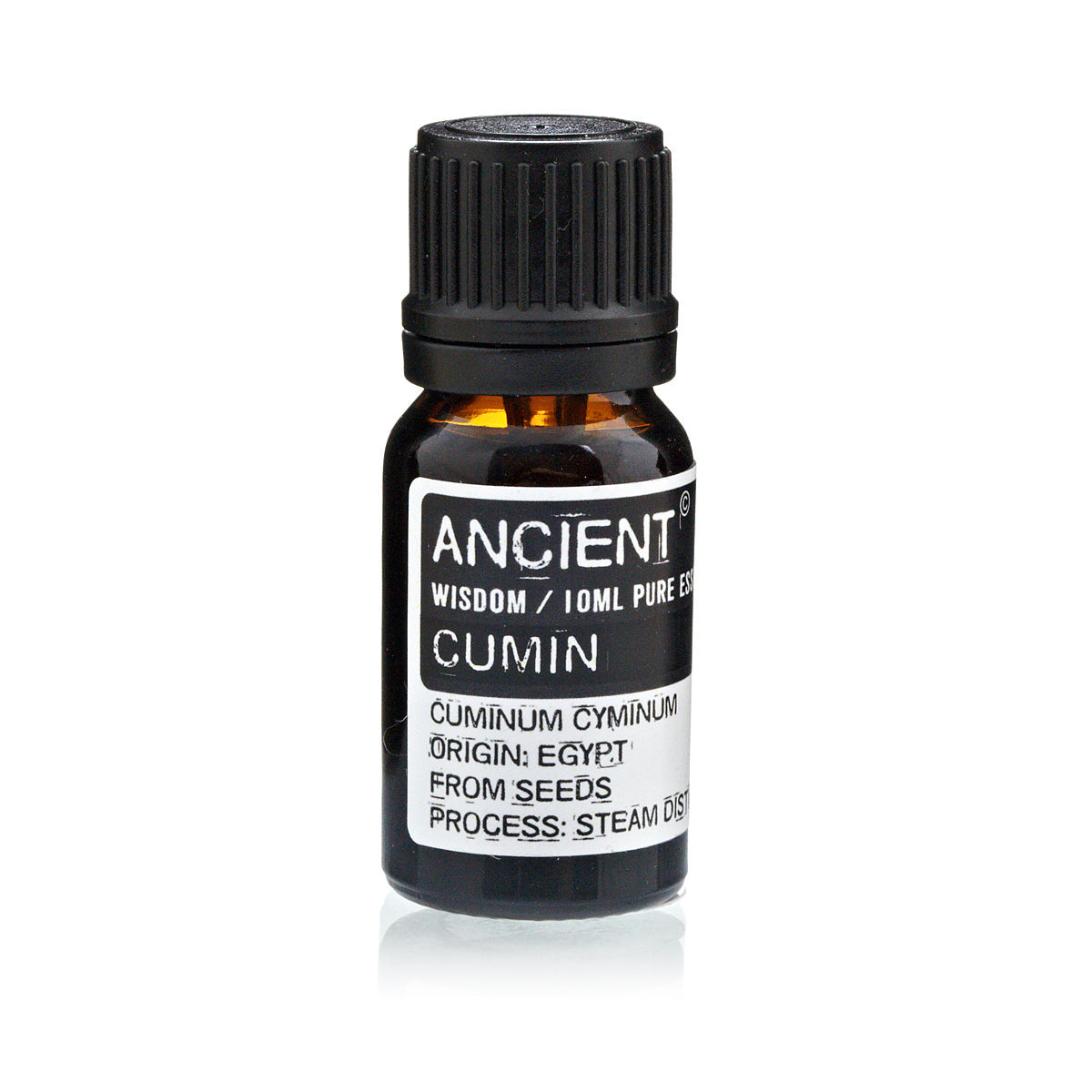
Cumin Seed Essential Oil is warm, earthy, and unmistakably spicy. It has a dry, toasted character that feels grounding and a little rugged, with enough depth to make a blend feel more rooted. This guide covers the aroma, practical use ideas, blend partners, and the safety notes worth remembering.
If you enjoy spices that feel savoury rather than sweet, cumin seed is an interesting oil to know. It brings a kitchen-spice warmth that can make room blends feel fuller, drier, and more substantial.
Quick facts
- Aroma family: Warm spice, earthy, dry
- Character: Grounding, savoury, distinctive
- Best for: Cosy rooms, autumn/winter blends, and deeper spice recipes
- Blend role: Middle/base note
- Use level: Very low; it is strongly scented
Aroma profile
Cumin Seed opens with a dry, warm spice note and settles into a deeper earthy core. It is less sweet than many familiar kitchen spices and more savoury in tone, which gives it a very particular personality. In small amounts, it can add real body to a blend; in large amounts, it can dominate quickly.
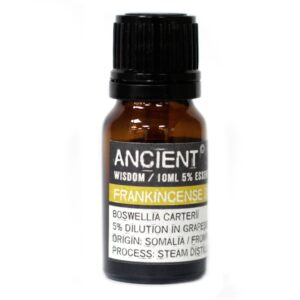
Because it feels so grounded, cumin seed works well when you want a formula to feel less airy and more settled. It can connect citrus to woods, give spice blends more depth, and add a dry botanical edge that keeps sweeter notes from becoming too rounded.
How to use
Diffuser: begin with just 1 drop in a standard diffuser. Add more only if the room needs it. Cumin seed is one of those oils that can change a blend with very little effort.
Spiced evening blend: 1 cumin seed + 2 orange + 2 cedarwood gives a warm, dry atmosphere with a soft citrus lift.
Earthy herbal blend: 1 cumin seed + 2 rosemary + 1 frankincense makes a grounded, aromatic profile with a more contemplative feel.
Room mist: if you make a spray, use a proper solubiliser and keep the concentration modest. Always test on fabrics before spraying broadly.
Blends well with
- Citrus: Orange, Bergamot, Grapefruit
- Woods: Cedarwood, Frankincense, Cypress
- Herbs: Rosemary, Clary Sage, Lavender
- Warm spice: Nutmeg, very light Clove Leaf, Cinnamon (sparingly)
Cumin seed is best used as a seasoning note rather than the main ingredient. It can make a blend feel deeper and more grown-up, especially when paired with citrus or woods that keep the overall shape clear.
Why choose Cumin Seed?
Choose cumin seed if you want a spice note that feels earthy and adult rather than sweet or festive. It is a good fit for blends that need more depth, more body, or a slightly drier finish. That makes it useful in autumn and winter, but also in small all-year recipes where you want something unusual.
It is not an easy crowd-pleaser in the way citrus oils are, but that is exactly why it is valuable: a tiny amount can give a blend character and make it feel less generic.
Safety & dilution
For external use only. Always dilute before applying to skin, and patch test first. Keep away from eyes and sensitive areas. If you are pregnant, nursing, or under medical care, seek qualified advice before use. Never ingest the oil, and keep it out of reach of children and pets.
Because it is strong and savoury, cumin seed is generally best kept to low-dose aromatic use. A diffuser or a carefully balanced blend is the easiest way to enjoy it without overwhelming a room.
Storage & shelf life
Keep Cumin Seed Essential Oil in a cool, dark place with the cap firmly shut. Spice oils benefit from the same basic care as most essentials oils: less heat, less air, and less direct sunlight.
Shop Cumin Seed Essential Oil
Explore the product here: Shop Cumin Seed Essential Oil →
Three earthy blend ideas
- Spiced room: 1 cumin seed, 2 orange, 2 cedarwood
- Grounded evening: 1 cumin seed, 2 frankincense, 1 lavender
- Dry herbal base: 1 cumin seed, 2 rosemary, 1 cypress
These blends keep the cumin seed low and let it act as an accent. That is usually the safest and most pleasant way to use it, because the oil can become dominant very quickly if you overdo it.
When Cumin Seed works best
Cumin Seed is especially useful in colder months, after cooking, or whenever you want a room to feel more grounded and substantial. It has a savoury warmth that can make a blend feel more grown-up and less airy. That is helpful if you like spice oils but want something drier and more botanical.
It also works well as a bridge between citrus and woods. A small amount can stop a blend from feeling too bright on top, giving it a more settled middle and a more satisfying finish.
Cumin Seed vs. sweeter spices
Compared with sweeter spice oils, cumin seed feels less festive and more earthy. That makes it useful when you want a recipe to feel rugged, warm, and a bit more grounded. If you like spice notes but not sugar-adjacent ones, cumin seed may be the better fit.
Storage reminder
Keep the bottle in a cool, dark cupboard and recap it promptly after use. Like most aromatic oils, it lasts better when it is protected from heat and open air.
Because cumin seed has such a distinct dry spice character, it is often best treated like a pinch of seasoning in scent form. That small amount of restraint is what lets the note feel interesting rather than overpowering.

- Solid Shampoo vs Liquid Shampoo: Which Is Better for Your Hair and the Environment?
 Switch to a more sustainable hair care routine with our premium solid shampoo bars , designed to cleanse, nourish, and protect your hair—without the waste of tr… Our solid shampoos are carefully crafted using… Read more: Solid Shampoo vs Liquid Shampoo: Which Is Better for Your Hair and the Environment?
 - Basil Essential Oil: The Clarifying Oil for Focus, Fatigue, and Muscle Relief
 Basil essential oil is one of the most underrated oils in aromatherapy. While it is universally recognised as a culinary herb, its essential oil has a distinct … Basil essential oil is steam-distilled from… Read more: Basil Essential Oil: The Clarifying Oil for Focus, Fatigue, and Muscle Relief
 - Lavender Essential Oil: The Complete Guide
 Lavender is where most people begin their aromatherapy journey — and for good reason. It is the most researched, most versatile, and most widely used essential … Lavender essential oil is steam-distilled from the… Read more: Lavender Essential Oil: The Complete Guide
 - Fennel Essential Oil: The Digestive Oil for Bloating, Hormones, and Detox
 Fennel has been used medicinally for thousands of years — by the ancient Egyptians, Greeks, Romans, and Chinese — primarily for its remarkable digestive propert… Fennel essential oil is steam-distilled from the crushed seeds… Read more: Fennel Essential Oil: The Digestive Oil for Bloating, Hormones, and Detox
 - Patchouli Essential Oil: The Earthy Oil for Grounding, Skin, and Sensuality
 Few essential oils provoke as strong a reaction as patchouli. Its deep, earthy, slightly sweet scent is immediately recognisable — and deeply divisive. Those wh… Patchouli essential oil is steam-distilled from the dried, fermented… Read more: Patchouli Essential Oil: The Earthy Oil for Grounding, Skin, and Sensuality
 - Peppermint Essential Oil: Energise, Focus, and Refresh
 If lavender is the oil of calm, peppermint is the oil of clarity. Sharp, cool, and instantly recognisable, peppermint essential oil is one of the most effective… Peppermint essential oil is steam-distilled from the… Read more: Peppermint Essential Oil: Energise, Focus, and Refresh
Really helpful guide, thank you — looking forward to more like this!