
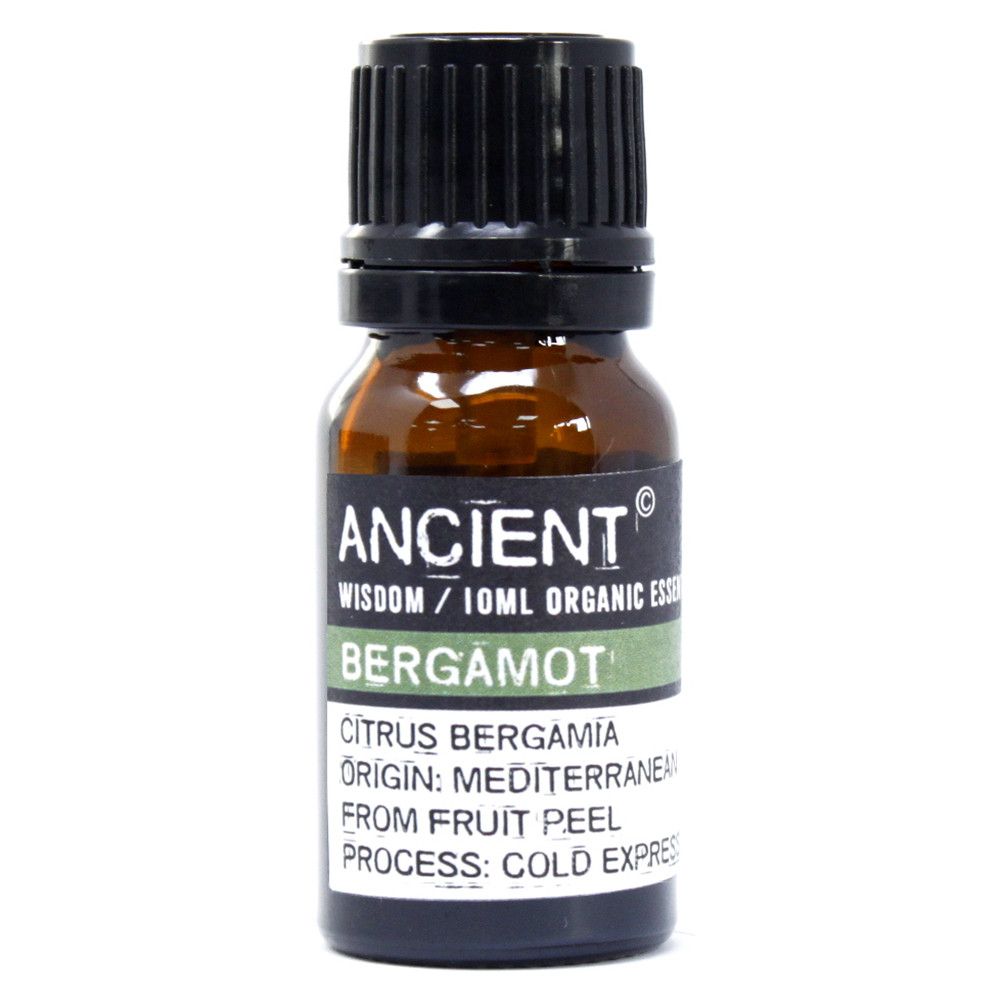
Latin Name : Citrus Bergamia.
Part Of Plant Used : Fruit Peel
Source : Ivory Coast.
Extraction Method : Cold Expression.
Bergamot Essential Oil is obtained by cold expression of both ripe and unripe fruits from the bergamot orange tree. With its fresh citrus aroma and subtle sweetness, this oil is well known for promoting a sense of calm, positivity, and emotional balance. Traditionally, it has been used to support urinary tract health, address various skin concerns, and help stimulate the functions of the liver, spleen, and stomach.
In aromatherapy, bergamot essential oil is commonly used to ease feelings of stress, depression, tension, fear, and low self-confidence. It is also valued for its potential to support the healing of skin conditions such as wounds, psoriasis, cold sores, and eczema. The oil is often associated with relief for seasonal affective disorder (SAD), PMS, compulsive eating, postnatal low mood, as well as symptoms of colds and flu. A popular choice in aromatherapy, bergamot oil is frequently used in vaporisers, massage blends, and bath preparations. However, caution is advised when applying it to the skin, as exposure to sunlight afterward may cause irritation or burns. Sun exposure should be avoided following topical use.
The name “bergamot” is believed to originate from the city of Bergamo in Lombardy, Italy, where the oil was first marketed. The bergamot tree has been cultivated since the 16th century, particularly in Mediterranean regions such as Italy and Greece. Its distinctive fragrance and flavour have long been used in perfumery and food products, most famously in Earl Grey tea. While the essential oil itself has been extracted more widely in recent times, the fruit and its essence have been used in traditional remedies for centuries.
You can Click, Tap or Scan the QR code below. It will automatically add a discount code for you to get a discount on your first purchase, of any of our essential oil 10ml bottles. Terms and Conditions apply.


- Solid Shampoo vs Liquid Shampoo: Which Is Better for Your Hair and the Environment?
 Switch to a more sustainable hair care routine with our premium solid shampoo bars , designed to cleanse, nourish, and protect your hair—without the waste of tr… Our solid shampoos are carefully crafted using… Read more: Solid Shampoo vs Liquid Shampoo: Which Is Better for Your Hair and the Environment?
 - Basil Essential Oil: The Clarifying Oil for Focus, Fatigue, and Muscle Relief
 Basil essential oil is one of the most underrated oils in aromatherapy. While it is universally recognised as a culinary herb, its essential oil has a distinct … Basil essential oil is steam-distilled from… Read more: Basil Essential Oil: The Clarifying Oil for Focus, Fatigue, and Muscle Relief
 - Lavender Essential Oil: The Complete Guide
 Lavender is where most people begin their aromatherapy journey — and for good reason. It is the most researched, most versatile, and most widely used essential … Lavender essential oil is steam-distilled from the… Read more: Lavender Essential Oil: The Complete Guide
 - Fennel Essential Oil: The Digestive Oil for Bloating, Hormones, and Detox
 Fennel has been used medicinally for thousands of years — by the ancient Egyptians, Greeks, Romans, and Chinese — primarily for its remarkable digestive propert… Fennel essential oil is steam-distilled from the crushed seeds… Read more: Fennel Essential Oil: The Digestive Oil for Bloating, Hormones, and Detox
 - Patchouli Essential Oil: The Earthy Oil for Grounding, Skin, and Sensuality
 Few essential oils provoke as strong a reaction as patchouli. Its deep, earthy, slightly sweet scent is immediately recognisable — and deeply divisive. Those wh… Patchouli essential oil is steam-distilled from the dried, fermented… Read more: Patchouli Essential Oil: The Earthy Oil for Grounding, Skin, and Sensuality
 - Peppermint Essential Oil: Energise, Focus, and Refresh
 If lavender is the oil of calm, peppermint is the oil of clarity. Sharp, cool, and instantly recognisable, peppermint essential oil is one of the most effective… Peppermint essential oil is steam-distilled from the… Read more: Peppermint Essential Oil: Energise, Focus, and Refresh
This stuff reminds me of Earl Grey tea.
Products are good, and the VIP perks are actually worth it.
Has anyone here had a good experience on this site? The Rewards look excellent!
Really helpful guide, thank you — looking forward to more like this!