
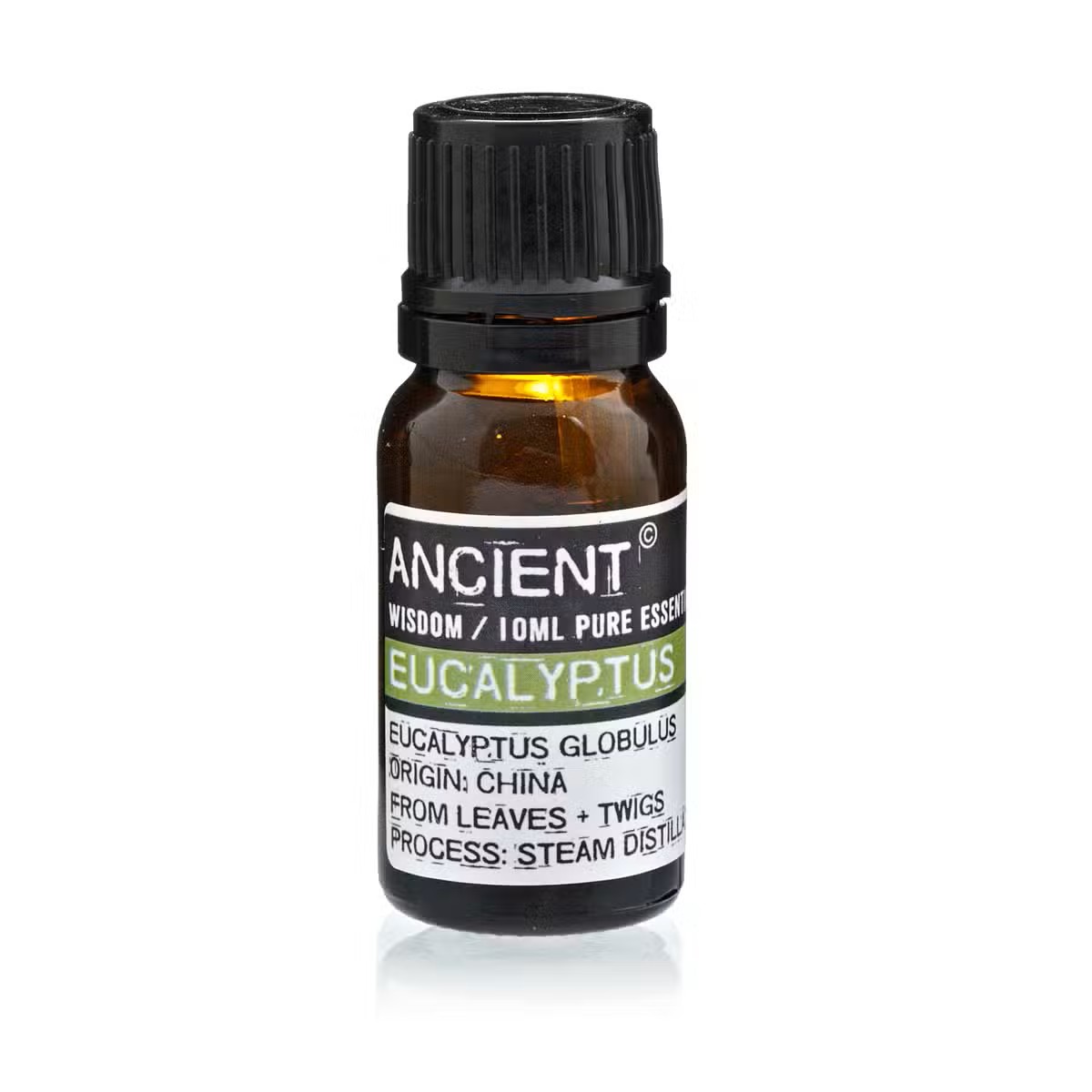
Name: Eucalyptus Essential Oil
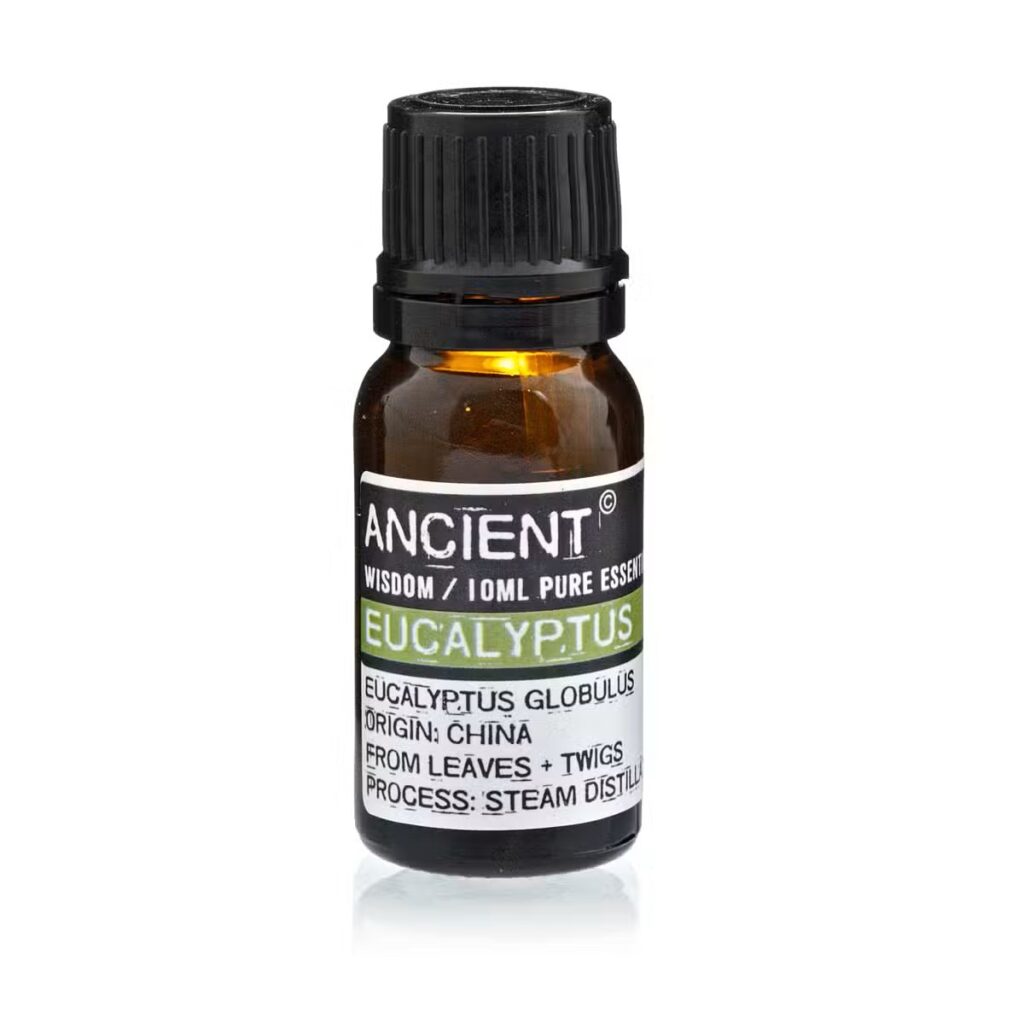
Latin Name : Eucalyptus Globulus.
Part Of Plant Used : Leaves & Twigs
Source : China.
Extraction Method : Steam Distillation.
Eucalyptus Essential Oil is a potent extract derived from the Eucalyptus Globulus tree, typically obtained through distillation, expression, or solvent extraction. Known for its antibacterial, disinfectant, and analgesic properties, it has traditionally been used to alleviate respiratory issues such as coughs and colds. Additionally, it provides relief for muscle and joint discomfort and supports the healing of wounds, burns, ulcers, and insect bites. In aromatherapy, eucalyptus oil is valued for enhancing vitality, energy, and mental clarity.
To ease respiratory issues, inhale a few drops of this oil placed on a cloth by breathing in through the mouth and out through the nose for about thirty seconds. It can be applied directly to sores, rashes, and insect bites. Adding several drops to bath water provides an invigorating and refreshing experience. For foot discomfort, soak feet in warm water mixed with 4-5 drops of the oil for relief. Using a few drops in a diffuser may help eliminate germs and airborne bacteria, making it ideal for sickrooms. Eucalyptus essential oil is intended for external use only; always seek advice from a qualified practitioner before using it for health purposes.
Throughout history, essential oils have been recognized for their healing properties in ancient civilizations such as Egypt and China. Regarded as one of the earliest forms of medicine and cosmetics, these oils are extracted from plants through simple yet skilled distillation methods, without the need for complex machinery. Valued for both their therapeutic and aromatic qualities, essential oils were once considered more precious than gold by ancient cultures.
You can Click, Tap or Scan the QR code below. It will automatically add a discount code for you to get a discount on your first purchase, of any of our essential oil 10ml bottles. Terms and Conditions apply.


- Solid Shampoo vs Liquid Shampoo: Which Is Better for Your Hair and the Environment?
 Switch to a more sustainable hair care routine with our premium solid shampoo bars , designed to cleanse, nourish, and protect your hair—without the waste of tr… Our solid shampoos are carefully crafted using… Read more: Solid Shampoo vs Liquid Shampoo: Which Is Better for Your Hair and the Environment?
 - Basil Essential Oil: The Clarifying Oil for Focus, Fatigue, and Muscle Relief
 Basil essential oil is one of the most underrated oils in aromatherapy. While it is universally recognised as a culinary herb, its essential oil has a distinct … Basil essential oil is steam-distilled from… Read more: Basil Essential Oil: The Clarifying Oil for Focus, Fatigue, and Muscle Relief
 - Lavender Essential Oil: The Complete Guide
 Lavender is where most people begin their aromatherapy journey — and for good reason. It is the most researched, most versatile, and most widely used essential … Lavender essential oil is steam-distilled from the… Read more: Lavender Essential Oil: The Complete Guide
 - Fennel Essential Oil: The Digestive Oil for Bloating, Hormones, and Detox
 Fennel has been used medicinally for thousands of years — by the ancient Egyptians, Greeks, Romans, and Chinese — primarily for its remarkable digestive propert… Fennel essential oil is steam-distilled from the crushed seeds… Read more: Fennel Essential Oil: The Digestive Oil for Bloating, Hormones, and Detox
 - Patchouli Essential Oil: The Earthy Oil for Grounding, Skin, and Sensuality
 Few essential oils provoke as strong a reaction as patchouli. Its deep, earthy, slightly sweet scent is immediately recognisable — and deeply divisive. Those wh… Patchouli essential oil is steam-distilled from the dried, fermented… Read more: Patchouli Essential Oil: The Earthy Oil for Grounding, Skin, and Sensuality
 - Peppermint Essential Oil: Energise, Focus, and Refresh
 If lavender is the oil of calm, peppermint is the oil of clarity. Sharp, cool, and instantly recognisable, peppermint essential oil is one of the most effective… Peppermint essential oil is steam-distilled from the… Read more: Peppermint Essential Oil: Energise, Focus, and Refresh