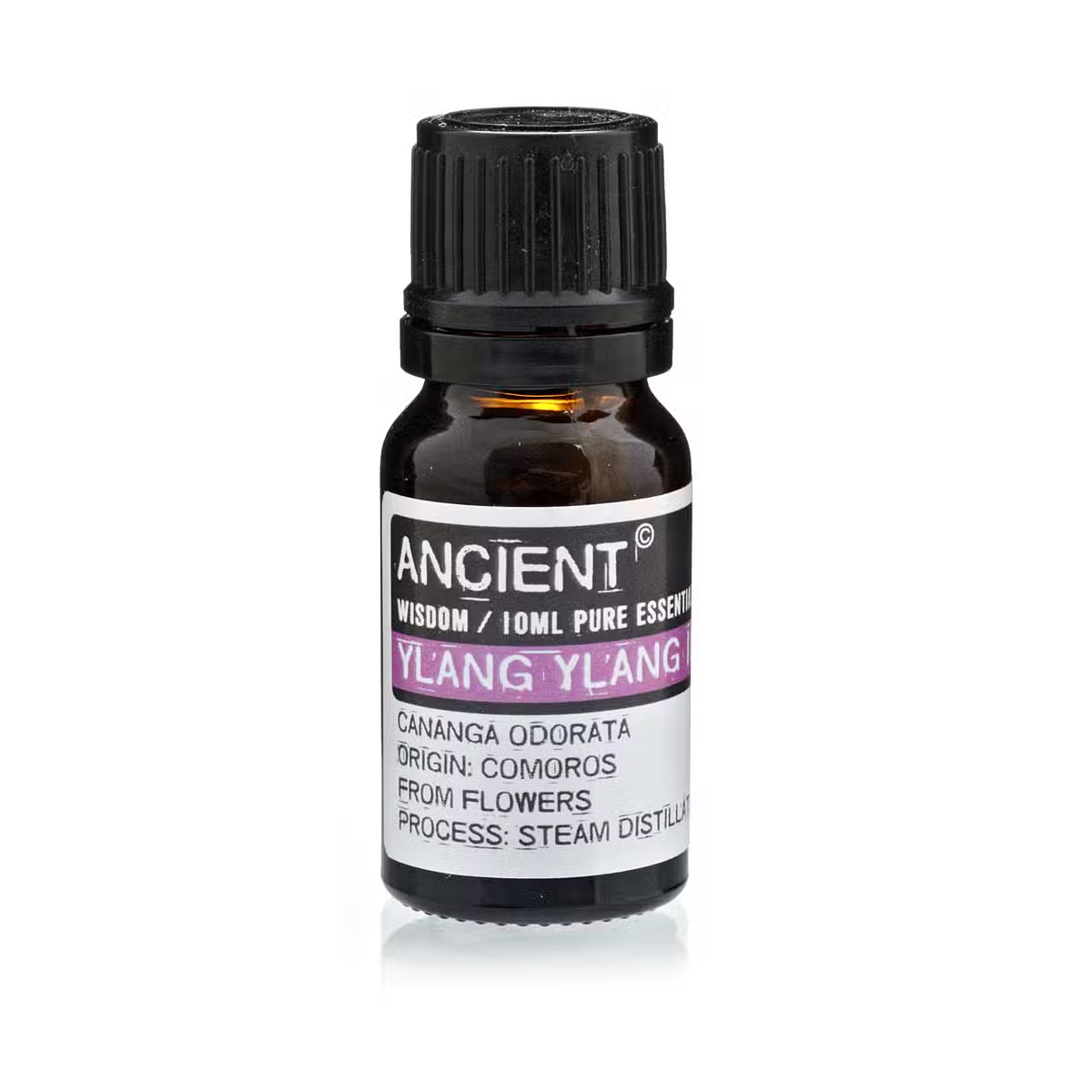
Latin Name : Cananga Odorata.
Part of Plant Used : Flowers.
Source : Camores.
Extraction Method : Steam Distillation.
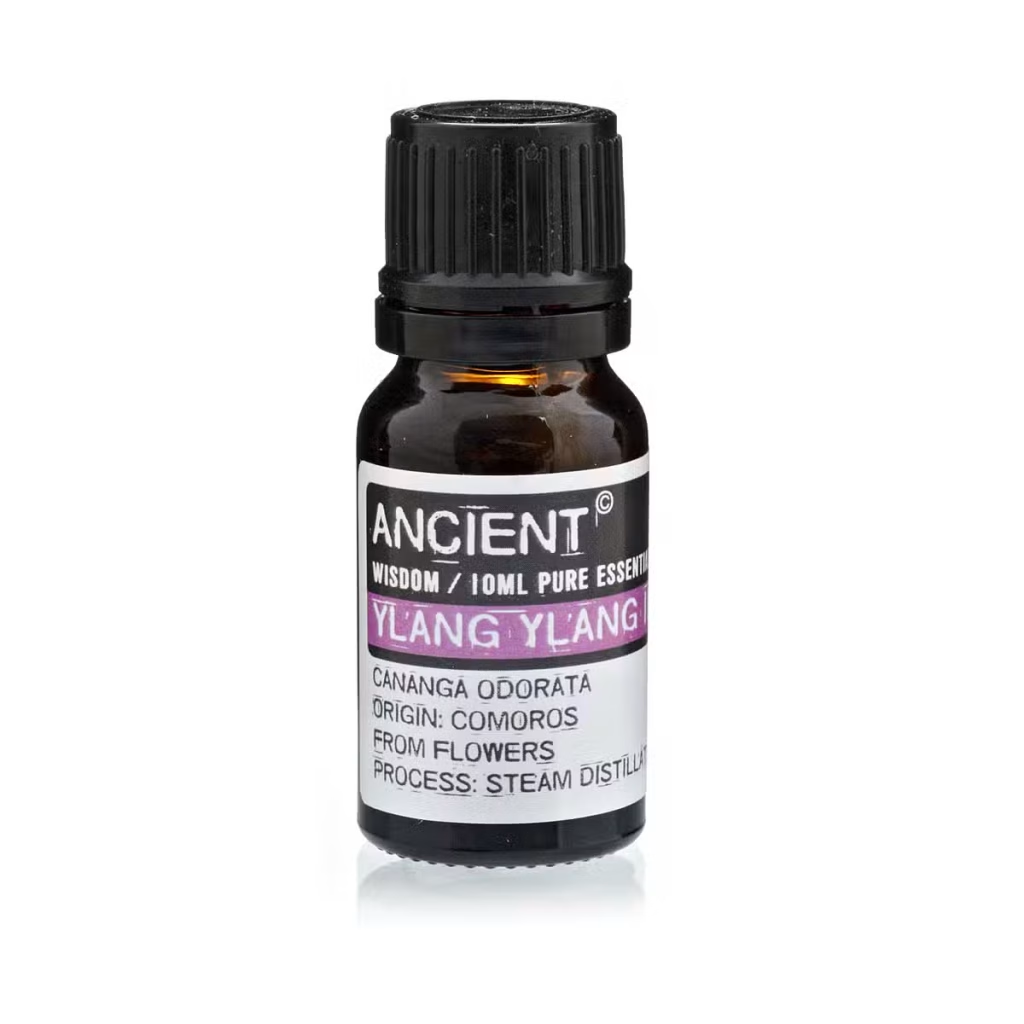
Ylang Ylang is a beautiful, tall tree native to places like Malaysia, the Philippines, and Indonesia. Its bright yellow flowers have a wonderfully strong scent and long, graceful petals. Because the essential oil is produced in large amounts, it’s one of the more affordable oils—but it’s still highly loved in the perfume and cosmetics world for its gorgeous fragrance. You’ll even find it used in some foods today!
Science suggests that Ylang Ylang essential oil can act as a mental stimulant, while in aromatherapy it’s often praised for its calming effects on both mind and body. Simply breathing in its scent may help you feel more relaxed. Adding a few drops to a bath or using it in a massage blend can make the experience even more soothing. It’s often used to ease feelings of stress, low mood, shock, or anxiety, and as a hair tonic it’s said to help balance oil production. Just keep in mind that using too much can sometimes lead to headaches or nausea.
The name “Ylang Ylang” comes from Malay and means “flower of flowers.” Traditionally, it’s been thought of as both romantic and relaxing. In Indonesia, its flowers were sprinkled on the marriage bed of newlyweds. In earlier times, Muslim women burned the oil to perfume their private living quarters, and in China, its scent was used to freshen the robes of mandarins. For centuries, Ylang Ylang essential oil has been linked with beauty, fragrance, and relaxation—and it continues to be treasured today.
You can Click, Tap or Scan the QR code below. It will automatically add a discount code for you to get a discount on your first purchase, of any of our essential oil 10ml bottles. Terms and Conditions apply.


- Solid Shampoo vs Liquid Shampoo: Which Is Better for Your Hair and the Environment?
 Switch to a more sustainable hair care routine with our premium solid shampoo bars , designed to cleanse, nourish, and protect your hair—without the waste of tr… Our solid shampoos are carefully crafted using… Read more: Solid Shampoo vs Liquid Shampoo: Which Is Better for Your Hair and the Environment?
 - Basil Essential Oil: The Clarifying Oil for Focus, Fatigue, and Muscle Relief
 Basil essential oil is one of the most underrated oils in aromatherapy. While it is universally recognised as a culinary herb, its essential oil has a distinct … Basil essential oil is steam-distilled from… Read more: Basil Essential Oil: The Clarifying Oil for Focus, Fatigue, and Muscle Relief
 - Lavender Essential Oil: The Complete Guide
 Lavender is where most people begin their aromatherapy journey — and for good reason. It is the most researched, most versatile, and most widely used essential … Lavender essential oil is steam-distilled from the… Read more: Lavender Essential Oil: The Complete Guide
 - Fennel Essential Oil: The Digestive Oil for Bloating, Hormones, and Detox
 Fennel has been used medicinally for thousands of years — by the ancient Egyptians, Greeks, Romans, and Chinese — primarily for its remarkable digestive propert… Fennel essential oil is steam-distilled from the crushed seeds… Read more: Fennel Essential Oil: The Digestive Oil for Bloating, Hormones, and Detox
 - Patchouli Essential Oil: The Earthy Oil for Grounding, Skin, and Sensuality
 Few essential oils provoke as strong a reaction as patchouli. Its deep, earthy, slightly sweet scent is immediately recognisable — and deeply divisive. Those wh… Patchouli essential oil is steam-distilled from the dried, fermented… Read more: Patchouli Essential Oil: The Earthy Oil for Grounding, Skin, and Sensuality
 - Peppermint Essential Oil: Energise, Focus, and Refresh
 If lavender is the oil of calm, peppermint is the oil of clarity. Sharp, cool, and instantly recognisable, peppermint essential oil is one of the most effective… Peppermint essential oil is steam-distilled from the… Read more: Peppermint Essential Oil: Energise, Focus, and Refresh