
Latin Name : Amyris Balsamifera.
Part of Plant Used : Wood & Branches.
Source : Jamaica.
Extraction Method : Steam Distillation.
Sandalwood Amyris essential oil, often called West Indian sandalwood, has a warm, woody aroma that closely mirrors that of true sandalwood. It is extracted by steam distillation from the bark and branches of the Amyris balsamifera tree. Because the wood is rich in oil, it burns easily like a candle, which is why it is locally known as “candle wood.” This oil is widely used as a cost-effective alternative to genuine sandalwood, offering comparable aromatic benefits.
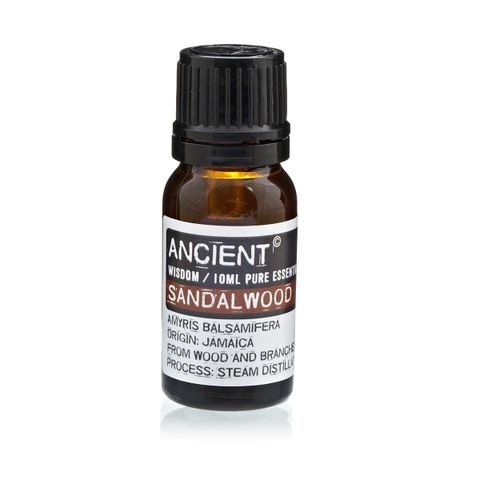
Sandalwood Amayris Essential Oil; traditionally, Amyris oil has been used to cleanse wounds and to help manage ailments such as influenza and diarrhoea. It is valued for its effectiveness in easing cystitis and vaginal infections. Diffused, it promotes relaxation, reduces anxiety and tension, encourages restful sleep, and is considered a natural aphrodisiac that can enhance intimacy. It also supports respiratory health by helping to relieve coughs, colds, and bronchitis. Its calming nature makes it ideal for meditation, while its muscle-relaxing and moisturizing properties provide additional comfort.
The botanical origin of the Amyris tree remained unclear until 1886, when microscopic examination of its leaves revealed the key differences between Amyris and true sandalwood. Amyris balsamifera grows wild in Haiti, and like many essential oils prized for their healing and aromatic qualities, it was once considered more valuable than gold in ancient times.
You can Click, Tap or Scan the QR code below. It will automatically add a discount code for you to get a discount on your first purchase, of any of our essential oil 10ml bottles. Terms and Conditions apply.

- Solid Shampoo vs Liquid Shampoo: Which Is Better for Your Hair and the Environment?
 Switch to a more sustainable hair care routine with our premium solid shampoo bars , designed to cleanse, nourish, and protect your hair—without the waste of tr… Our solid shampoos are carefully crafted using… Read more: Solid Shampoo vs Liquid Shampoo: Which Is Better for Your Hair and the Environment?
 - Basil Essential Oil: The Clarifying Oil for Focus, Fatigue, and Muscle Relief
 Basil essential oil is one of the most underrated oils in aromatherapy. While it is universally recognised as a culinary herb, its essential oil has a distinct … Basil essential oil is steam-distilled from… Read more: Basil Essential Oil: The Clarifying Oil for Focus, Fatigue, and Muscle Relief
 - Lavender Essential Oil: The Complete Guide
 Lavender is where most people begin their aromatherapy journey — and for good reason. It is the most researched, most versatile, and most widely used essential … Lavender essential oil is steam-distilled from the… Read more: Lavender Essential Oil: The Complete Guide
 - Fennel Essential Oil: The Digestive Oil for Bloating, Hormones, and Detox
 Fennel has been used medicinally for thousands of years — by the ancient Egyptians, Greeks, Romans, and Chinese — primarily for its remarkable digestive propert… Fennel essential oil is steam-distilled from the crushed seeds… Read more: Fennel Essential Oil: The Digestive Oil for Bloating, Hormones, and Detox
 - Patchouli Essential Oil: The Earthy Oil for Grounding, Skin, and Sensuality
 Few essential oils provoke as strong a reaction as patchouli. Its deep, earthy, slightly sweet scent is immediately recognisable — and deeply divisive. Those wh… Patchouli essential oil is steam-distilled from the dried, fermented… Read more: Patchouli Essential Oil: The Earthy Oil for Grounding, Skin, and Sensuality
 - Peppermint Essential Oil: Energise, Focus, and Refresh
 If lavender is the oil of calm, peppermint is the oil of clarity. Sharp, cool, and instantly recognisable, peppermint essential oil is one of the most effective… Peppermint essential oil is steam-distilled from the… Read more: Peppermint Essential Oil: Energise, Focus, and Refresh