
Intro
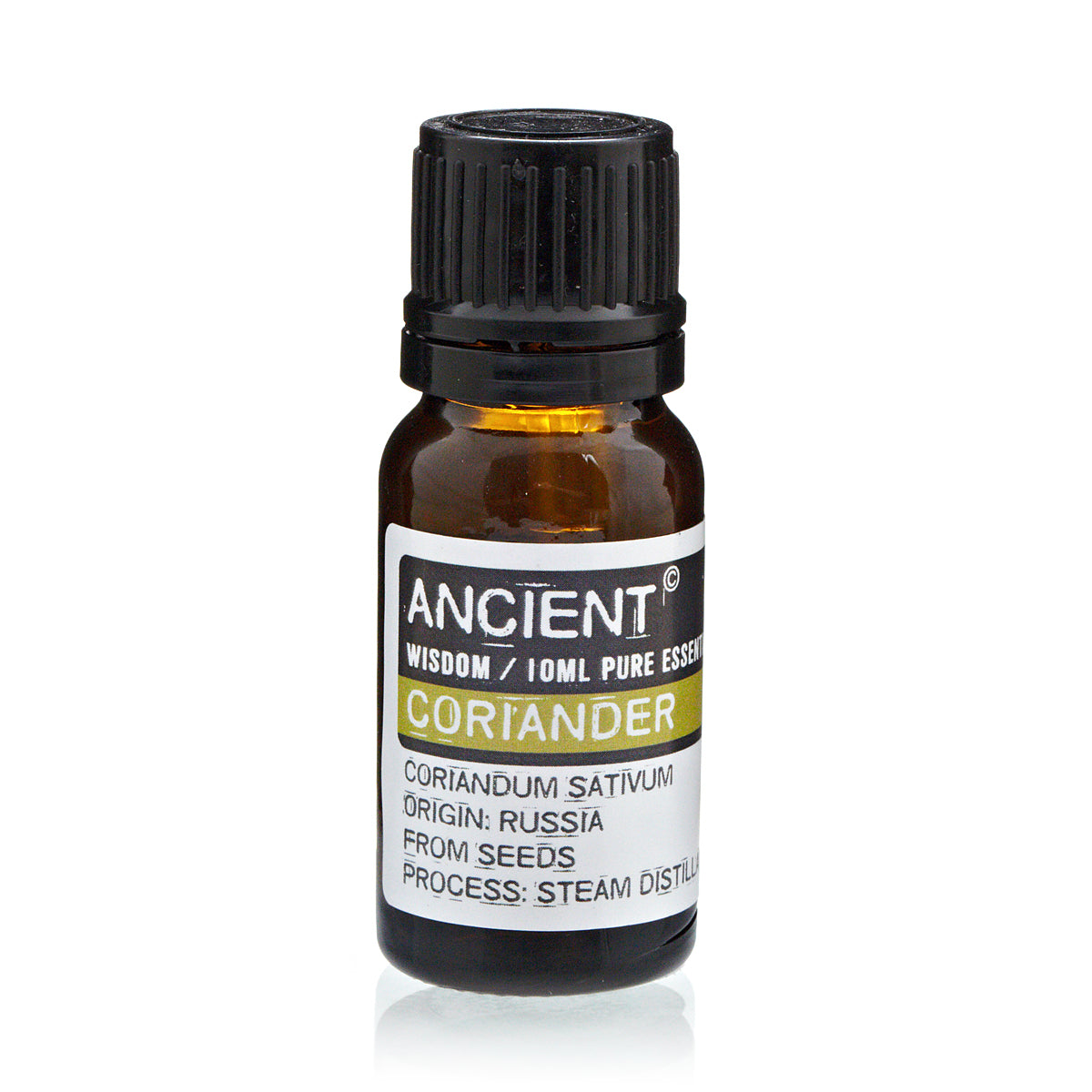
Bright, comforting, and quietly uplifting, Coriander Seed Essential Oil brings a cozy citrus‑spice glow to everyday routines. Steam‑distilled from the dried seeds of Coriandrum sativum, its soft, sweet spice and gentle herbaceous warmth make it an easy blender—equally at home in morning focus blends and evening wind‑downs.
Quick facts
- Botanical: Coriandrum sativum
- Plant part: Dried seeds (fruit), steam‑distilled
- Aroma family: Soft spicy‑citrus, slightly woody, faintly sweet
- Note: Middle (with a bright top impression from linalool)
- Key constituents (typical): linalool (major), α‑pinene, γ‑terpinene, camphor traces
- Pairs with: Citrus (orange, bergamot FCF, mandarin), woods (cedarwood, sandalwood), aromatics (lavender, petitgrain), spices (cardamom, ginger)
Aroma profile
Coriander seed opens with a quick sparkle—lemony‑fresh and lightly peppered—before settling into soft, comforting spice and polished woods. Where fresh coriander leaf (cilantro) can read sharp and green, the seed oil is round, mellow, and gently sweet. It lifts sleepy blends without shouting, and brings a friendly warmth to oils that can feel cool or austere on their own.
How to use
- Diffusion (clear focus): 3–6 drops in 100 mL water. Try 2 coriander seed + 2 orange + 1 petitgrain for bright, tidy clarity.
- Cosy evening: 2 coriander seed + 2 cedarwood + 1 bergamot (FCF); diffuse 30–45 minutes in a ventilated room.
- Body oil (daily): 1–2% total essential oils in carrier (≈ 6–12 drops per 30 mL / 1 oz). Coriander seed plays nicely with lavender for a soft, clean finish.
- Perfumery bridge: 0.5–1% of concentrate smooths transitions between citrus top notes and wood/resin bases.
- Bath (dispersed): Pre‑mix up to 4–6 total drops into 1 Tbsp carrier + 1 tsp solubiliser before adding to a full tub; never drop neat oils into water.
Blends well with
- Citrus lift: sweet orange, mandarin, bergamot (FCF), grapefruit
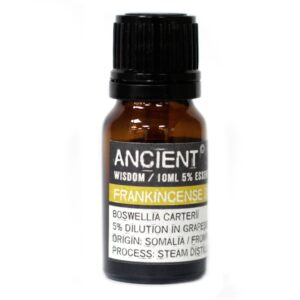
- Woods & resins: cedarwood, sandalwood, frankincense
- Aromatics: lavender, petitgrain, clary sage (low)
- Spices: cardamom, ginger, nutmeg (trace)
Safety & dilution
- Topical: Generally well‑tolerated when diluted; start at 1–2% for leave‑on blends and patch test (inner forearm; check after 24 h).
- General: Do not ingest essential oils. Avoid eyes and mucous membranes. Keep out of reach of children and pets. Store tightly capped, away from heat and light; discontinue use if irritation occurs.
- Sun care: Not a phototoxic oil, but always use sensible sun habits with any leave‑on blends.
Origins & extraction
Coriander has a long culinary and aromatic history across the Mediterranean, Middle East, and South Asia. The essential oil is obtained by steam distilling the dried seeds. Aroma and chemistry vary with origin and harvest; reputable suppliers share batch numbers and GC/MS summaries so you can compare lots and choose your favourite profile.
Quality & sourcing notes
A good coriander seed oil smells clean, lightly sweet, and free from harsh or solvent‑like edges. Because it is rich in linalool, it can oxidise over time—recap promptly, store cool and dark, and consider smaller bottles if you use it slowly. If an older bottle smells sharp or stale, reduce skin percentages or replace it.
Blend ideas to try
- Sunny study: 2 coriander seed + 2 grapefruit + 1 petitgrain.
- Warm woods: 2 coriander seed + 2 cedarwood + 1 sandalwood.
- Clean linen: 2 coriander seed + 2 lavender + 1 lemon.
Storage & shelf life
Store tightly closed, away from heat and light. For best aroma, use within 2–3 years of opening; check scent and colour periodically, and lower topical percentages as the oil ages.
FAQs
Leaf vs seed oil? Coriander leaf (cilantro) extracts smell green and sharp; coriander seed essential oil is mellow, citrus‑spicy, and easier to blend.
Good for massage? Yes—at 1–2% with lavender or cedarwood it makes a calm, comforting body blend.
Kitchen use? We don’t recommend ingesting essential oils. Enjoy coriander’s flavour via the herb/seed in food; reserve the essential oil for aromatic use.
Shop
Explore Vivid Aromas Coriander Seed Essential Oil (10 ml) and add a bright, cosy note to your blends:
https://shop.vividaromas.uk/products/10-ml-coriander-seed-essential-oil

- Solid Shampoo vs Liquid Shampoo: Which Is Better for Your Hair and the Environment?
 Switch to a more sustainable hair care routine with our premium solid shampoo bars , designed to cleanse, nourish, and protect your hair—without the waste of tr… Our solid shampoos are carefully crafted using… Read more: Solid Shampoo vs Liquid Shampoo: Which Is Better for Your Hair and the Environment?
 - Basil Essential Oil: The Clarifying Oil for Focus, Fatigue, and Muscle Relief
 Basil essential oil is one of the most underrated oils in aromatherapy. While it is universally recognised as a culinary herb, its essential oil has a distinct … Basil essential oil is steam-distilled from… Read more: Basil Essential Oil: The Clarifying Oil for Focus, Fatigue, and Muscle Relief
 - Lavender Essential Oil: The Complete Guide
 Lavender is where most people begin their aromatherapy journey — and for good reason. It is the most researched, most versatile, and most widely used essential … Lavender essential oil is steam-distilled from the… Read more: Lavender Essential Oil: The Complete Guide
 - Fennel Essential Oil: The Digestive Oil for Bloating, Hormones, and Detox
 Fennel has been used medicinally for thousands of years — by the ancient Egyptians, Greeks, Romans, and Chinese — primarily for its remarkable digestive propert… Fennel essential oil is steam-distilled from the crushed seeds… Read more: Fennel Essential Oil: The Digestive Oil for Bloating, Hormones, and Detox
 - Patchouli Essential Oil: The Earthy Oil for Grounding, Skin, and Sensuality
 Few essential oils provoke as strong a reaction as patchouli. Its deep, earthy, slightly sweet scent is immediately recognisable — and deeply divisive. Those wh… Patchouli essential oil is steam-distilled from the dried, fermented… Read more: Patchouli Essential Oil: The Earthy Oil for Grounding, Skin, and Sensuality
 - Peppermint Essential Oil: Energise, Focus, and Refresh
 If lavender is the oil of calm, peppermint is the oil of clarity. Sharp, cool, and instantly recognisable, peppermint essential oil is one of the most effective… Peppermint essential oil is steam-distilled from the… Read more: Peppermint Essential Oil: Energise, Focus, and Refresh
Really helpful guide, thank you — looking forward to more like this!