
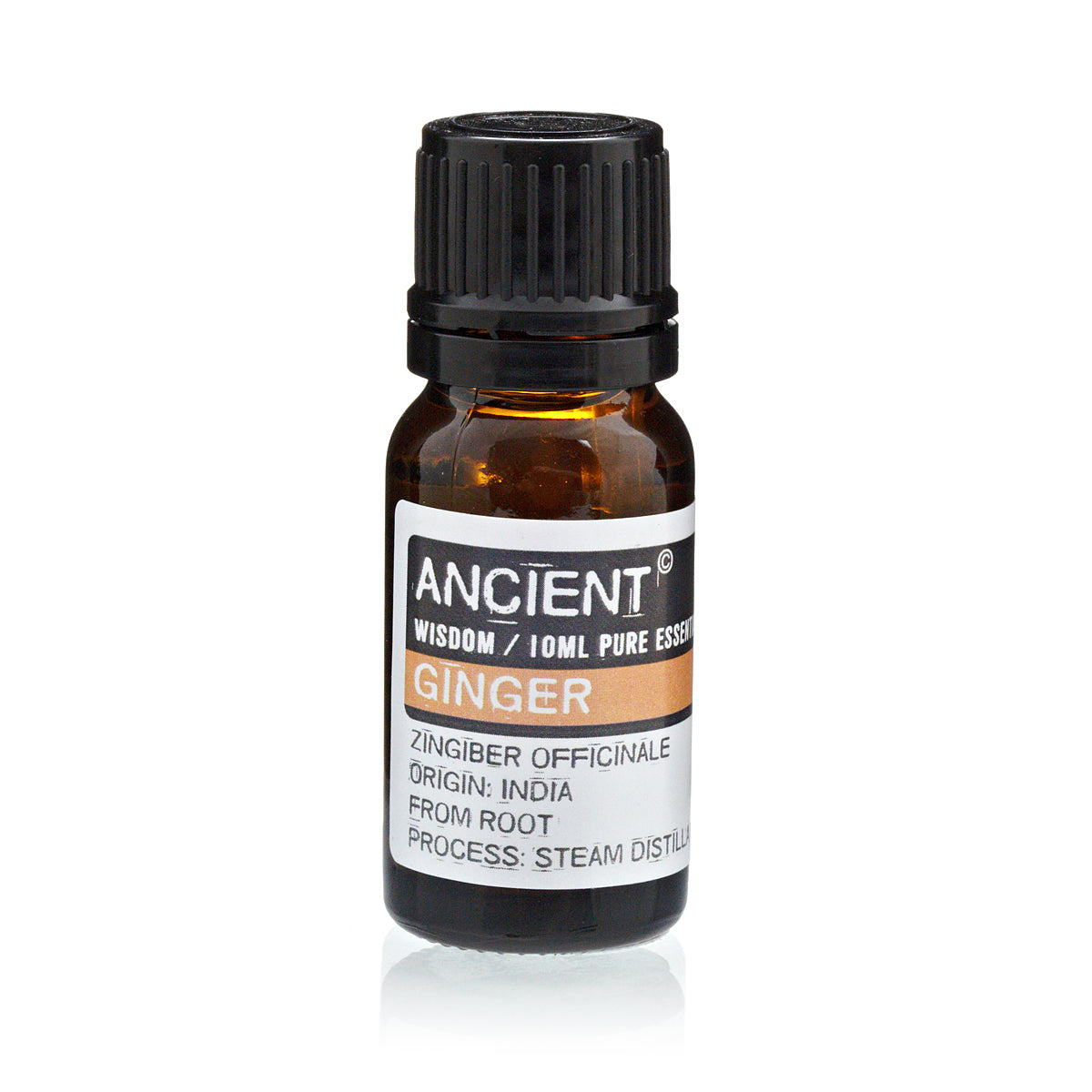
Ginger Essential Oil
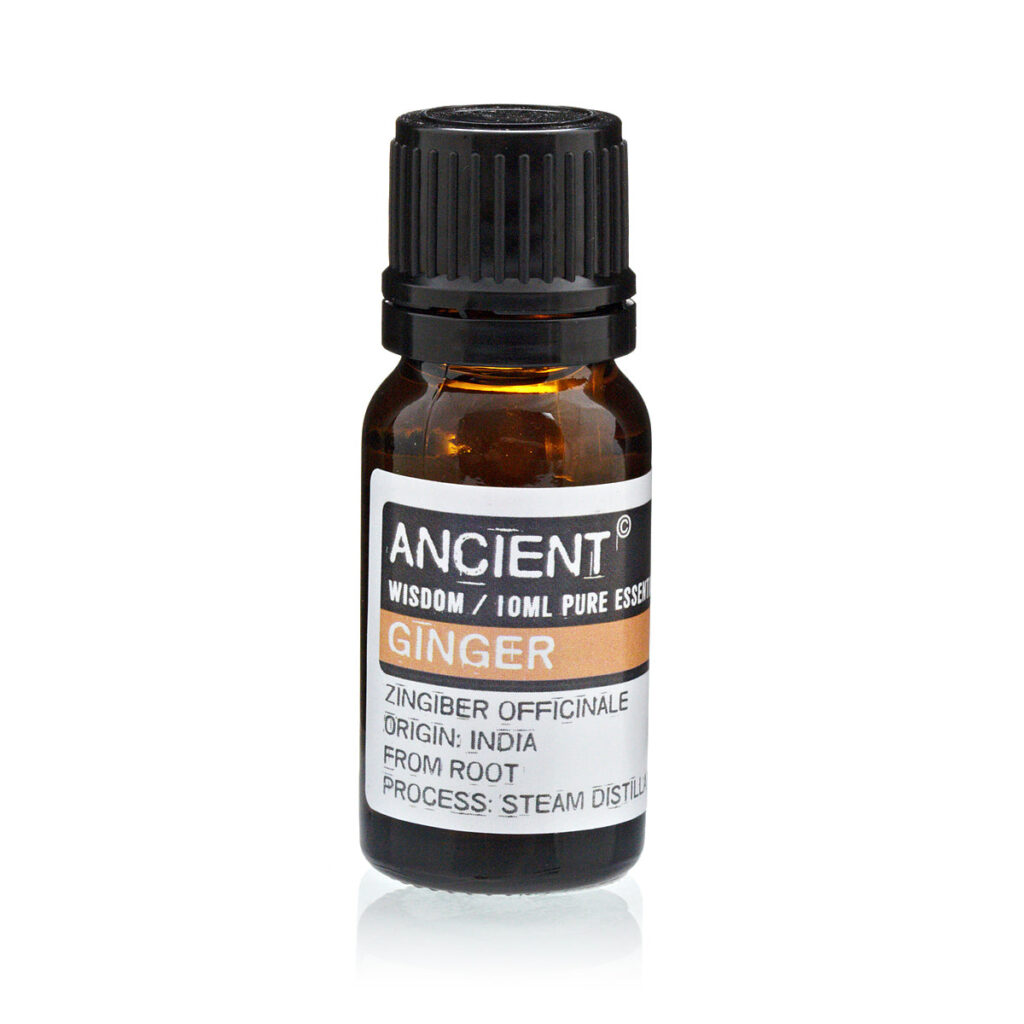
Latin Name : Zingiber Officinale.
Part Of Plant Used : Root.
Source : India.
Extraction Method : Steam Distillation.
Ginger essential oil is derived from Zingiber officinale, a flowering plant belonging to the Zingiberaceae family, more commonly known as common ginger or Jamaica ginger. This aromatic plant has been valued for thousands of years for both its culinary and medicinal qualities. The name “ginger” is thought to originate from the town of Gingi in the Indian state of Tamil Nadu, as well as from the Tamil word inji-ver, which refers to the ginger root. The essential oil is extracted through steam distillation, typically from the unpeeled or dried and ground rhizome of the plant. This method preserves the oil’s characteristic warm, spicy aroma and its active compounds.
Ginger essential oil is best known for its warming and stimulating nature. These properties make it particularly beneficial for digestive support, where it has traditionally been used to help ease discomfort such as bloating, indigestion, nausea, and vomiting. Because of its comforting and grounding qualities, ginger oil has long been used in natural wellness practices to help the body feel balanced and supported, especially during periods of physical or emotional strain.
The therapeutic profile of ginger essential oil is broad and well regarded in traditional medicine systems. It has been used to help relieve pain and stiffness associated with conditions such as rheumatism, arthritis, and muscle fatigue. When diluted and applied in massage blends, it is believed to promote circulation and warmth in affected areas, making it a popular choice for soothing sore joints and tired muscles. Ginger oil has also been associated with supportive care for fractures and skin conditions such as carbuncles, where warming oils were historically believed to encourage healing and comfort.
In addition to musculoskeletal support, ginger essential oil has traditionally been used to help address a wide range of everyday ailments. These include motion sickness, hangovers, colds, flu, coughs, sinus congestion, sore throats, chills, and fever. Its use in inhalation or vaporisation is especially common for respiratory discomfort, as the spicy aroma is thought to help clear the airways and promote easier breathing. For digestive complaints such as diarrhoea, colic, and abdominal cramps, ginger has been used for centuries in both oil and dried root form.
Emotionally, ginger essential oil is often described as energising and uplifting. When used in a diffuser or vaporiser, it is believed to help counter feelings of loneliness, fatigue, and low mood. Its stimulating scent may encourage mental clarity and motivation, making it a popular choice during times of emotional exhaustion or seasonal sluggishness. Because of its warming and invigorating qualities, ginger oil has also earned a reputation as a natural aphrodisiac in traditional practices, where it was associated with vitality and renewed energy.
One of the simplest traditional methods of using ginger oil is inhalation. Placing a single diluted drop on a cloth or handkerchief and gently inhaling the aroma has been used to help manage nausea, motion sickness, and symptoms of colds. This method allows the aromatic compounds to be experienced directly, offering a quick and convenient way to benefit from the oil’s scent without topical application.
Ginger has a long and well-documented history that spans multiple cultures and continents. It is believed to have originated in India, China, and Java, and later spread to Africa and the West Indies through trade routes. Ancient Sanskrit and Chinese texts reference ginger as both a spice and a medicinal plant, highlighting its importance in early healthcare systems. In traditional Ayurvedic medicine, ginger was valued for its ability to stimulate digestion and balance bodily energies. Similarly, in traditional Chinese medicine, ginger has been used to warm the body, support the heart, and reduce excess mucus and phlegm.
Beyond Asia, ginger also held an important place in ancient Greek, Roman, and Arabian cultures. Historical writings from these civilizations describe ginger as a valuable trade commodity and a trusted remedy for digestive and respiratory complaints. Dried ginger, in particular, was commonly used to relieve stomach aches, nausea, diarrhoea, and throat problems. Its ability to preserve well during long journeys made it especially prized by traders and travellers.
Today, ginger essential oil continues to be appreciated for both its traditional roots and its versatility in modern aromatherapy. It is commonly blended with other essential oils such as citrus, spice, and woody oils to create warming, comforting, and energising aromas. While ginger oil is not a substitute for medical care, its long-standing use across cultures reflects its enduring value as a supportive and aromatic natural product.
Overall, ginger essential oil represents a rich blend of history, tradition, and sensory warmth. From its ancient origins and widespread cultural significance to its continued use in aromatherapy and wellness practices, ginger oil remains a symbol of vitality, comfort, and resilience. Its distinctive scent and reputation for supporting both physical and emotional wellbeing have ensured its place as one of the most respected and widely used essential oils throughout history.
You can Click, Tap or Scan the QR code below. It will automatically add a discount code for you to get a discount on your first purchase, of any of our essential oil 10ml bottles. Terms and Conditions apply.


- Solid Shampoo vs Liquid Shampoo: Which Is Better for Your Hair and the Environment?
 Switch to a more sustainable hair care routine with our premium solid shampoo bars , designed to cleanse, nourish, and protect your hair—without the waste of tr… Our solid shampoos are carefully crafted using… Read more: Solid Shampoo vs Liquid Shampoo: Which Is Better for Your Hair and the Environment?
 - Basil Essential Oil: The Clarifying Oil for Focus, Fatigue, and Muscle Relief
 Basil essential oil is one of the most underrated oils in aromatherapy. While it is universally recognised as a culinary herb, its essential oil has a distinct … Basil essential oil is steam-distilled from… Read more: Basil Essential Oil: The Clarifying Oil for Focus, Fatigue, and Muscle Relief
 - Lavender Essential Oil: The Complete Guide
 Lavender is where most people begin their aromatherapy journey — and for good reason. It is the most researched, most versatile, and most widely used essential … Lavender essential oil is steam-distilled from the… Read more: Lavender Essential Oil: The Complete Guide
 - Fennel Essential Oil: The Digestive Oil for Bloating, Hormones, and Detox
 Fennel has been used medicinally for thousands of years — by the ancient Egyptians, Greeks, Romans, and Chinese — primarily for its remarkable digestive propert… Fennel essential oil is steam-distilled from the crushed seeds… Read more: Fennel Essential Oil: The Digestive Oil for Bloating, Hormones, and Detox
 - Patchouli Essential Oil: The Earthy Oil for Grounding, Skin, and Sensuality
 Few essential oils provoke as strong a reaction as patchouli. Its deep, earthy, slightly sweet scent is immediately recognisable — and deeply divisive. Those wh… Patchouli essential oil is steam-distilled from the dried, fermented… Read more: Patchouli Essential Oil: The Earthy Oil for Grounding, Skin, and Sensuality
 - Peppermint Essential Oil: Energise, Focus, and Refresh
 If lavender is the oil of calm, peppermint is the oil of clarity. Sharp, cool, and instantly recognisable, peppermint essential oil is one of the most effective… Peppermint essential oil is steam-distilled from the… Read more: Peppermint Essential Oil: Energise, Focus, and Refresh
Ginger essential oil is great, highly recommend you get some.
A quick patch test is worth it if you have sensitive skin.