

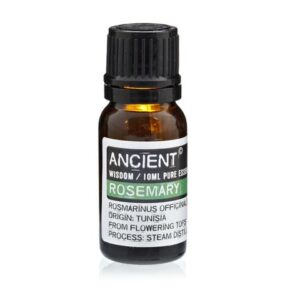
Name: Rosemary Essential Oil
Latin Name : Rosmarinus Officinalis.
Part of Plant Used : Flowering Tops.
Source : Tunisia.
Extraction Method : Steam Distillation.
Rosemary Essential Oil is obtained through steam distillation of the plant’s flowers, stems, and leaves. The British Pharmacopoeia notes that oil extracted from the flowering tops is of higher quality compared to that from stems and leaves, which constitute the majority of commercial oils. This oil features a woody, herbal aroma and is widely used in aromatherapy to invigorate and enhance mental clarity.
This versatile oil supports healing for wounds, burns, colds, flu, fatigue, digestive issues, headaches, asthma, bronchitis, gout, rheumatism, liver and gall bladder concerns, water retention, and poor circulation. Commonly blended with carrier oils like almond, apricot kernel, or hazelnut for massages, it also benefits hair by stimulating scalp circulation and encouraging growth. Please avoid internal use and refrain from using if pregnant or if you have high blood pressure or epilepsy. Experience the natural power of rosemary essential oil for your well-being.
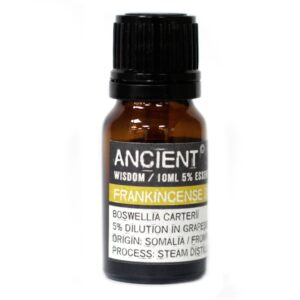
Rosemary has a rich history dating back to ancient times, valued for its reputed ability to boost memory. It became a powerful emblem of loyalty and love, often featured in weddings, funerals, and sacred rituals. Delicately tied sprigs of rosemary were gifted to wedding guests as tokens of faithfulness. The famous “Hungary water,” crafted by infusing fresh rosemary in wine, was treasured by the Queen of Hungary and is believed to have healed her paralysis. Embrace this timeless symbol of devotion and well-being with our Rosemary Essential Oil.
You can Click, Tap or Scan the QR code below. It will automatically add a discount code for you to get a discount on your first purchase, of any of our essential oil 10ml bottles. Terms and Conditions apply.


- Solid Shampoo vs Liquid Shampoo: Which Is Better for Your Hair and the Environment?
 Switch to a more sustainable hair care routine with our premium solid shampoo bars , designed to cleanse, nourish, and protect your hair—without the waste of tr… Our solid shampoos are carefully crafted using… Read more: Solid Shampoo vs Liquid Shampoo: Which Is Better for Your Hair and the Environment?
 - Basil Essential Oil: The Clarifying Oil for Focus, Fatigue, and Muscle Relief
 Basil essential oil is one of the most underrated oils in aromatherapy. While it is universally recognised as a culinary herb, its essential oil has a distinct … Basil essential oil is steam-distilled from… Read more: Basil Essential Oil: The Clarifying Oil for Focus, Fatigue, and Muscle Relief
 - Lavender Essential Oil: The Complete Guide
 Lavender is where most people begin their aromatherapy journey — and for good reason. It is the most researched, most versatile, and most widely used essential … Lavender essential oil is steam-distilled from the… Read more: Lavender Essential Oil: The Complete Guide
 - Fennel Essential Oil: The Digestive Oil for Bloating, Hormones, and Detox
 Fennel has been used medicinally for thousands of years — by the ancient Egyptians, Greeks, Romans, and Chinese — primarily for its remarkable digestive propert… Fennel essential oil is steam-distilled from the crushed seeds… Read more: Fennel Essential Oil: The Digestive Oil for Bloating, Hormones, and Detox
 - Patchouli Essential Oil: The Earthy Oil for Grounding, Skin, and Sensuality
 Few essential oils provoke as strong a reaction as patchouli. Its deep, earthy, slightly sweet scent is immediately recognisable — and deeply divisive. Those wh… Patchouli essential oil is steam-distilled from the dried, fermented… Read more: Patchouli Essential Oil: The Earthy Oil for Grounding, Skin, and Sensuality
 - Peppermint Essential Oil: Energise, Focus, and Refresh
 If lavender is the oil of calm, peppermint is the oil of clarity. Sharp, cool, and instantly recognisable, peppermint essential oil is one of the most effective… Peppermint essential oil is steam-distilled from the… Read more: Peppermint Essential Oil: Energise, Focus, and Refresh