
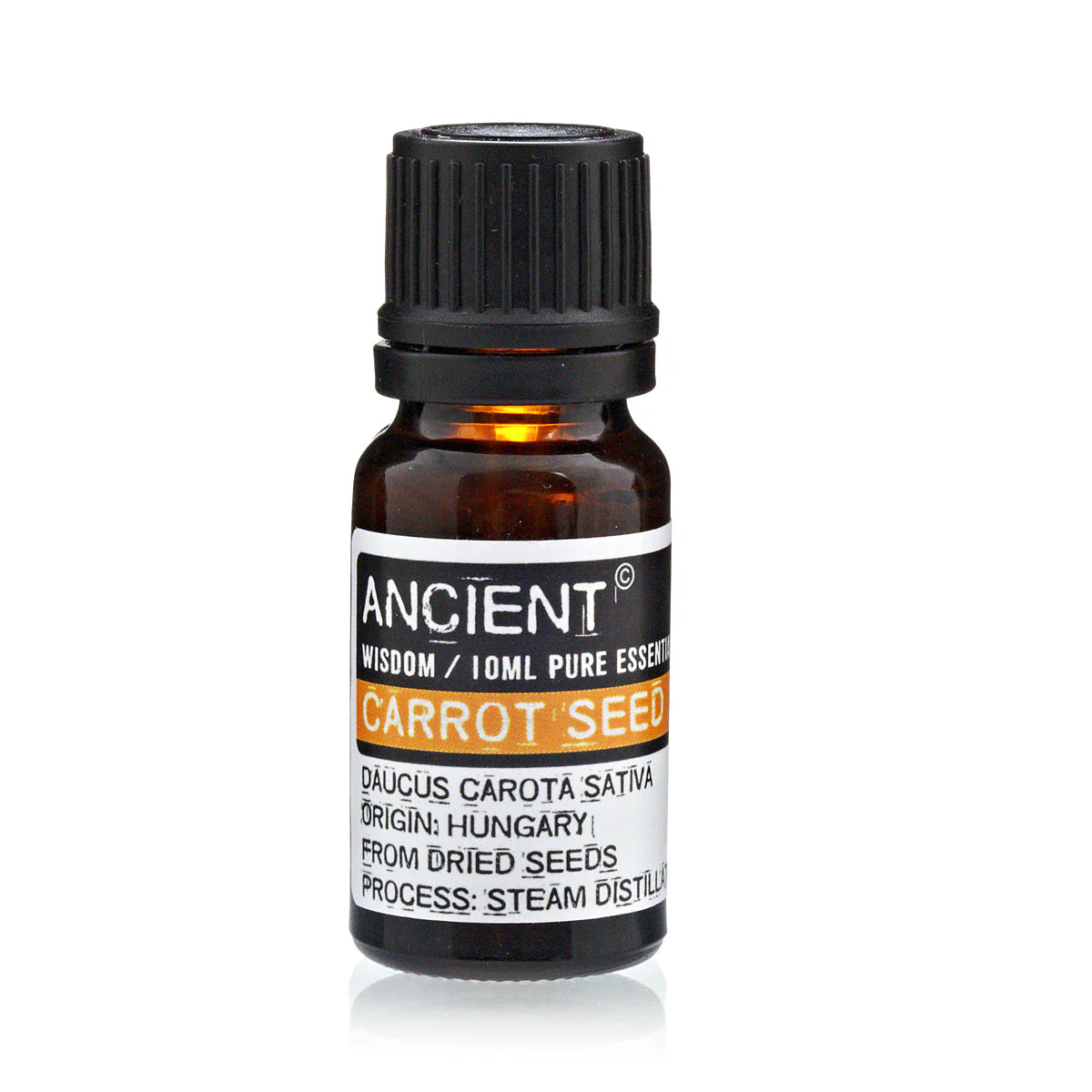
Carrot seed essential oil (Daucus carota) is a golden, softly sweet oil distilled from the seeds of wild carrot. It carries an earthy warmth that invites calm focus, making it a popular companion for skincare blends and home ambience. This draft presents a clear, educational overview suitable for UK readers, with emphasis on aroma, uses, safety, and practical blending guidance.
Quick Facts
- Botanical name: Daucus carota
- Extraction: Steam distillation of seeds
- Colour: Pale yellow to golden
- Aroma: Earthy, slightly sweet, carrot-like
- Common uses: Skincare blends, diffusion, routine aromatherapy
Aroma Profile
The oil offers a comforting, grounding aroma: deep earthy base with subtle sweetness, ideal for grounding meditation and unwinding after a busy day.
How to Use
Topical: Dilute 0.5–2% in a carrier oil (e.g., 1–2 drops in 5 ml). For facial skincare, combine with gentle carriers like jojoba or rosehip oil. Diffusion: 3–5 drops in a diffuser with 100 ml of water to promote a calm atmosphere.
Blends Well With
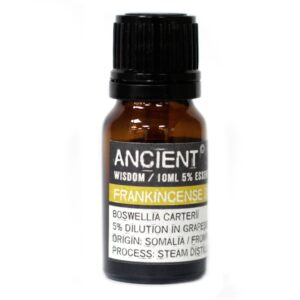
Lavender, Bergamot, Frankincense, Geranium, Neroli, Patchouli, Sandalwood.
Safety & Dilution
Perform a patch test on a small area of skin for 24 hours before broader use. Avoid eyes and mucous membranes. Do not ingest. Keep out of reach of children. If pregnant or nursing, consult a healthcare professional before use. Discontinue if irritation occurs.
Shop
Shop Carrot Seed Essential Oil: Carrot Seed Essential Oil

Origin & Sourcing
Carrot seed oil is produced by steam-distilling the seeds of the Daucus carota plant. Quality varies with growing region, harvest timing, and distillation technique. Sourcing responsibly, from growers who employ sustainable agricultural practices, helps ensure a clean, ethically produced oil suitable for skincare blends and perfumery applications.
Chemistry & Composition
While the exact composition varies, carrot seed oil typically contains a mix of sesquiterpenes and aliphatic hydrocarbons that contribute to its warm, earthy aroma and skin-friendly properties. For readers and formulators, the key takeaway is to use it in balance with carrier oils and other essential oils to achieve the desired effect without overpowering the blend.
Storage & Shelf Life
Store in a cool, dark place away from direct sunlight. Keep the cap tightly closed to protect volatile constituents. When stored properly, carrot seed oil maintains its integrity for 1–3 years, depending on origin and storage conditions.
Practical Tips & Ideas
- Skincare routine: add 0.5–1% to a carrier oil for facial serums; can aid in balanced toning and a healthy complexion when used consistently over time.
Evening diffuser blend: 2 drops carrot seed + 2 drops lavender + 1 drop frankincense in a diffuser for a grounding night routine.
DIY fragrance note: combine with bergamot and sandalwood to create a warm, earthy heart note in personal blends.
- Aromatherapy Safety Guide: Using Essential Oils and Incense Around Pets & Children
 Aromatherapy Safety Guide – Pets and young children need gentler approaches. This guide summarises which oils to avoid entirely, how to diffuse with doors open and good airflow, and practical limits for time and… Read more: Aromatherapy Safety Guide: Using Essential Oils and Incense Around Pets & Children
 - How to Use Essential Oils Safely
 Use Essential Oils Safely – A little structure makes aromatherapy simple and safe. This quick overview sets out the essentials: start low, dilute appropriately, ventilate while diffusing, avoid eyes and mucous membranes, and keep… Read more: How to Use Essential Oils Safely
 - Essential Oil Dilution Guide: Ratios, Carrier Oils, and How to Get It Right
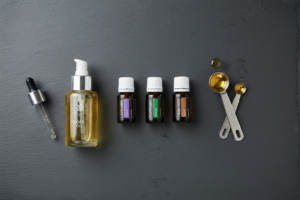 Essential Oil Dilution Guide – Topical aromatherapy starts with smart dilution. This guide gives you quick, reliable ratios for daily use (0.5–2%), short‑term therapeutic blends, and very small areas; which carriers to keep on… Read more: Essential Oil Dilution Guide: Ratios, Carrier Oils, and How to Get It Right
 - Essential Oil Storage: How to Keep Your Oils Fresh & Potent
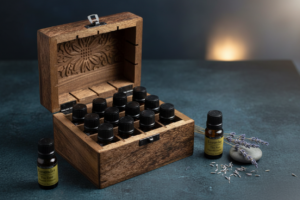 Essential Oil Storage – Good storage preserves aroma, potency, and shelf life. This guide covers the simple rules that matter most: keep oils cool, dark, and tightly sealed; choose amber or cobalt glass; label… Read more: Essential Oil Storage: How to Keep Your Oils Fresh & Potent
 - How to Burn Resin Incense: A Complete Beginner’s Guide
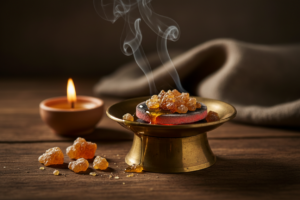 How to Burn Resin Incense – Resin incense is wonderfully atmospheric once you know the steps. This guide shows you how to set up safely: a heat‑safe bowl with sand, tongs, and a charcoal… Read more: How to Burn Resin Incense: A Complete Beginner’s Guide
 - Types of Incense Explained: Sticks, Cones, and Resin
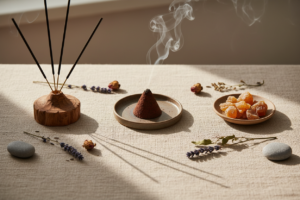 Incense comes in a few simple formats, each with its own feel and best use. Sticks are easy, consistent, and great for everyday scenting; cones offer a shorter, slightly stronger burn; and loose resins… Read more: Types of Incense Explained: Sticks, Cones, and Resin