Walk into any aromatherapy shop — or browse online — and you’ll quickly notice that essential oils come in a surprising range of prices. A small bottle of rose …
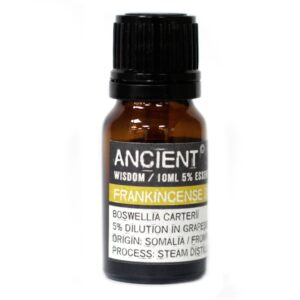
A pure essential oil is exactly what it sounds like: the undiluted, unadulterated extract of a single plant. Nothing added, nothing removed. The oil is obtained through steam distillation, cold pressing, or solvent extraction, depending on the plant, and the result is a concentrated aromatic compound that captures the plant’s natural scent and therapeutic properties.
Pure oils are the gold standard of aromatherapy. They tend to be more expensive — particularly for oils derived from plants that require enormous quantities of raw material (it takes roughly 4–5 tonnes of rose petals to produce just one kilogram of rose otto, which goes some way to explaining the price). But what you’re paying for is authenticity and potency.
How to use it
Add a few drops to an ultrasonic diffuser, dilute in a carrier oil for topical use (start low, 1–2%), or blend into your own rollerball and room-spray recipes. Always patch-test first.
Want the full guide? We’ve written the complete breakdown — exact blend recipes, dilution guidance, safety notes and the best type for each use:
Shop the oils
- Lavender Essential Oil 10ml — orgeo-01.
- Lemon Essential Oil 10ml — eo-12.
- Peppermint Essential Oil 10ml — eo-04.
- Eucalyptus Essential Oil 10ml — eo-03.